In today’s competitive manufacturing environment, OEMs face constant pressure to cut costs while maintaining high product reliability. But lowering expenses doesn’t have to mean sacrificing quality. By making strategic decisions in component sourcing, design, and production, it’s possible to achieve both cost efficiency and superior performance.
Everything You Need to Know About Switches in Electronics
Switches are one of the most important parts of electronics. From simple household items like lights and fans to big machines in factories, switches help us control electricity easily and safely. Every time you press a button, flip a switch, or turn a knob, you are using a switch to control how electricity flows. In this blog, we’ll understand what switches are, how they work, the different types of switches, and where they are used — all in simple words.
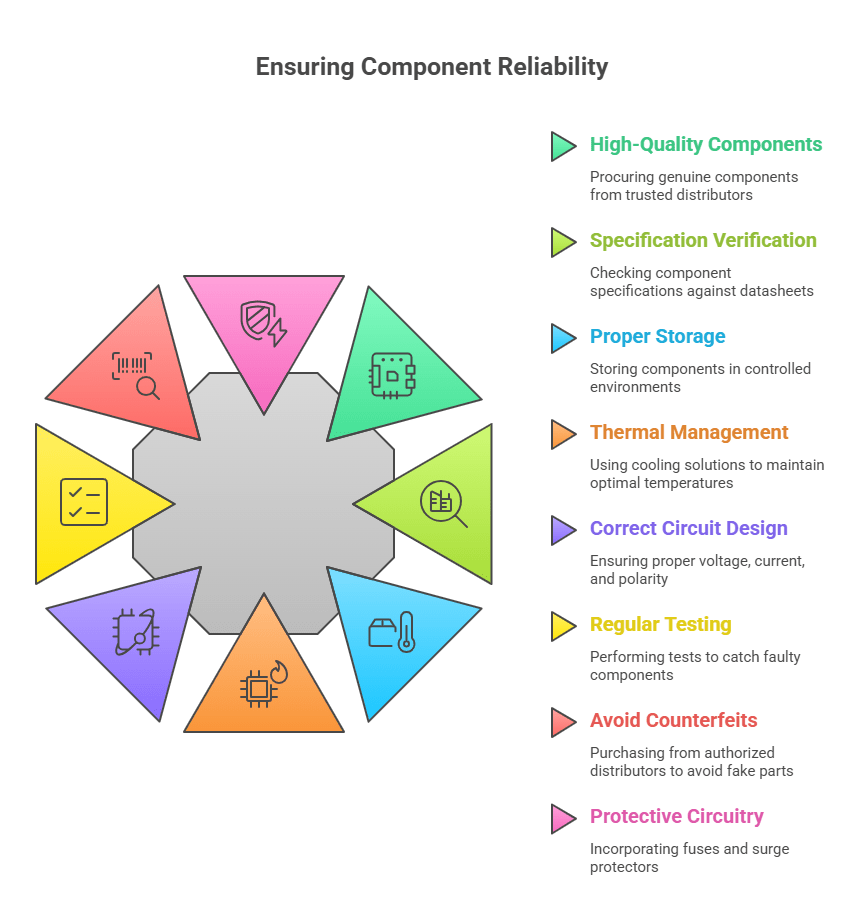
Tips for Reducing Electronic Component Failure in OEM Products
Electronic component failure is a major concern for OEMs, impacting product reliability, warranty costs, and customer satisfaction. Using high-quality components is essential, but implementing best practices in design, sourcing, and testing can further minimize failures. Here’s a complete guide for engineers and OEMs to reduce component failures and improve product longevity.
Top Electronic Components Every OEM Needs for Reliable Manufacturing
In the fast-paced world of electronics manufacturing, choosing the right components is critical for ensuring product reliability, efficiency, and performance. OEMs and engineers depend on high-quality electronic parts to design circuits, build consumer devices, and develop industrial systems. In this guide, we highlight the most important components every OEM should consider when sourcing for their projects.
What is Capacitor in Electronics? – A Complete Guide for Engineers and OEMs
Capacitors are one of the most widely used components in electronics, yet many people only have a basic idea of what they actually do. If you are designing circuits, repairing power supplies, or sourcing components for industrial projects, understanding capacitors is essential.
In this blog, we’ll explain what a capacitor is in electronics, how it works, its different types, and where it is used in real-life applications.
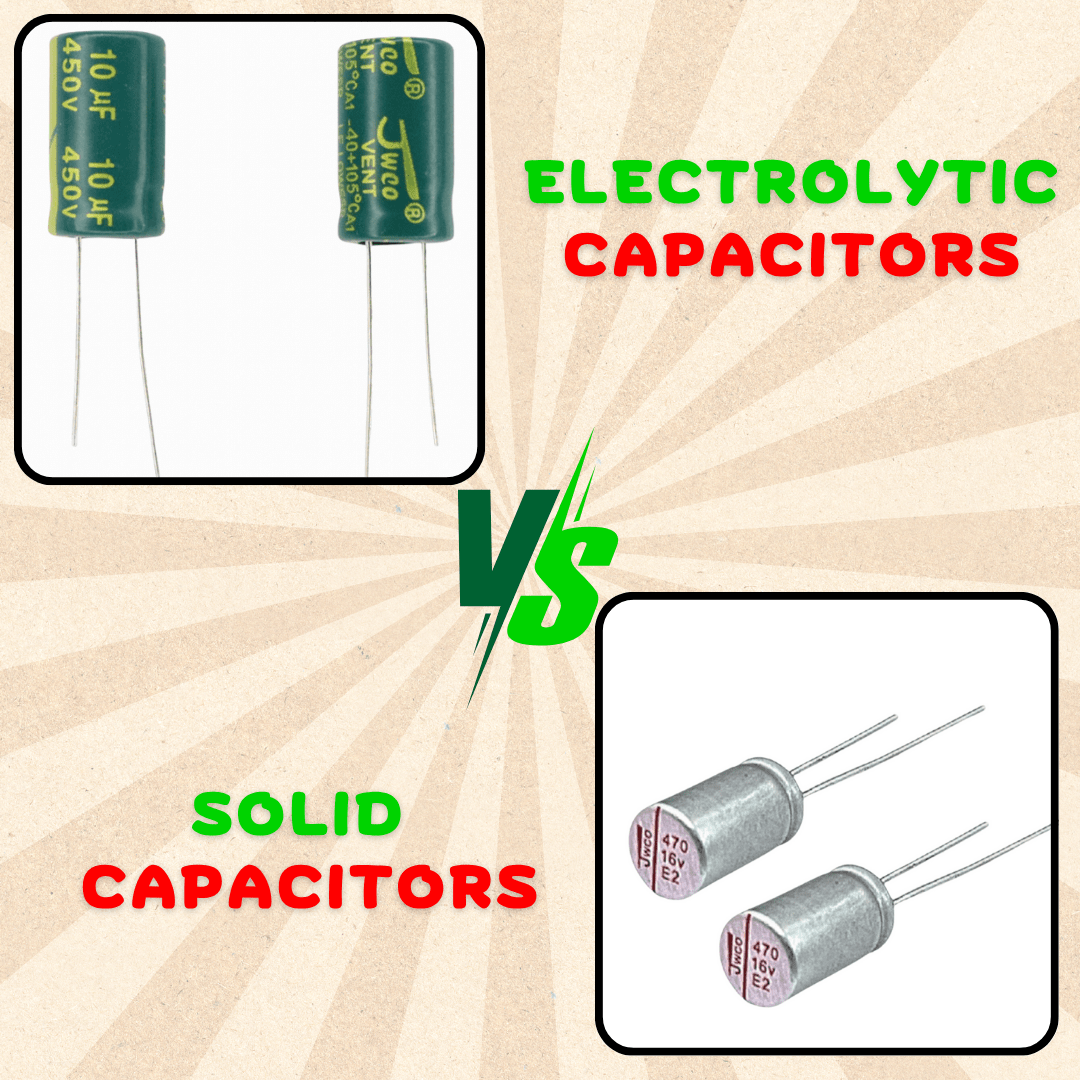
Electrolytic vs Solid Capacitors – Which Type is Right for Your Circuit?
Choosing between electrolytic capacitors and solid capacitors can impact the reliability and efficiency of your electronic design. Both types have unique properties, advantages, and applications. In this blog, we’ll explain the key differences and help you decide which capacitor suits your project best.
What are Electrolytic Capacitors?
Electrolytic capacitors are polarized capacitors that use a liquid electrolyte to achieve high capacitance values. They are commonly used in power supply circuits, audio devices, and filtering applications due to their affordability and wide capacitance range.
Advantages of Electrolytic Capacitors:
High capacitance in a compact size
Low cost and widely available
Ideal for low-frequency applications
Differences Between Electrolytic Capacitors and Normal Capacitors | Edzeal
When it comes to electronic circuits, capacitors play a crucial role in storing and releasing electrical energy. However, not all capacitors are created equal. The two most common types used in industries are Electrolytic Capacitors and what we generally call Normal Capacitors (Ceramic or Film Capacitors). Both serve different purposes based on their design, performance, and applications.
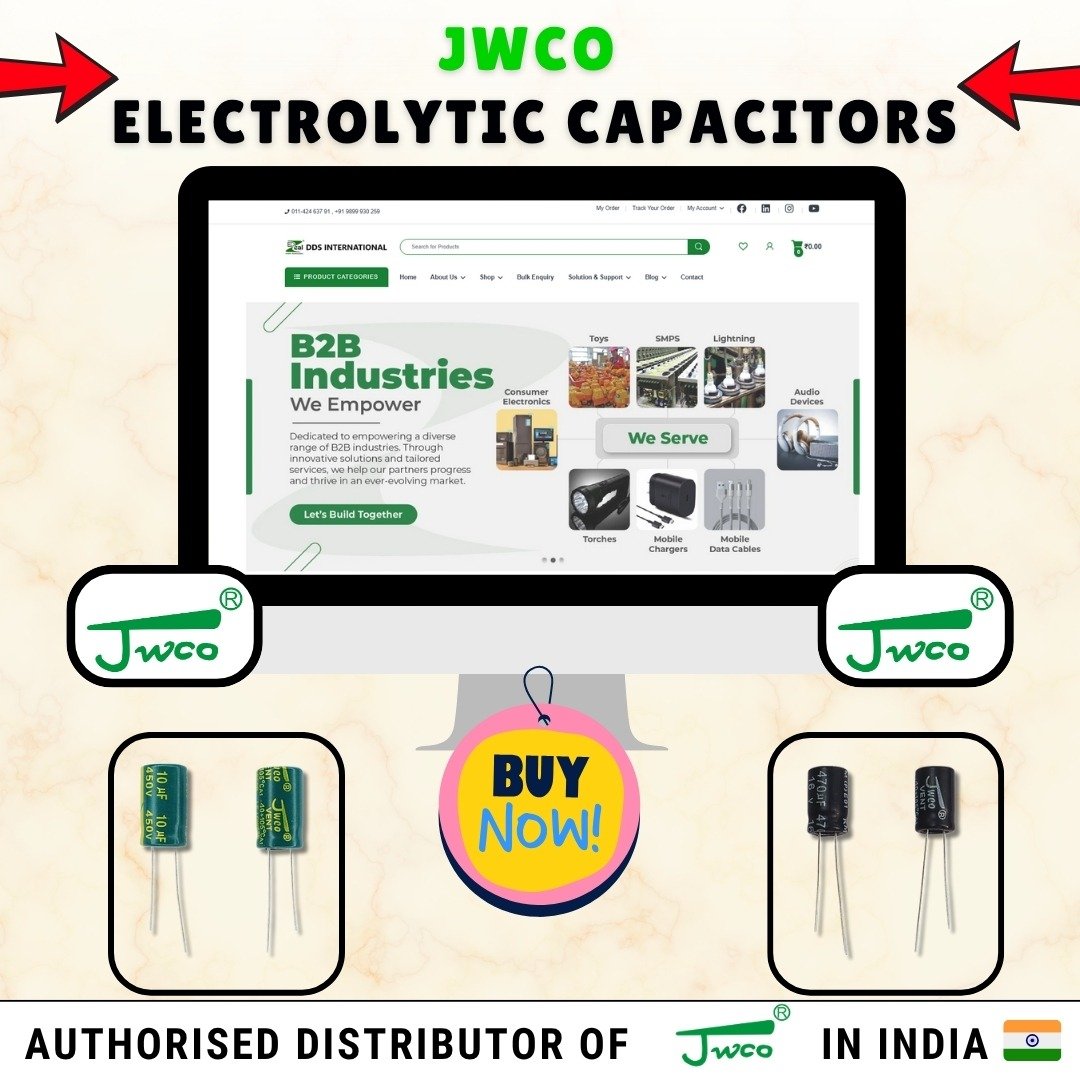
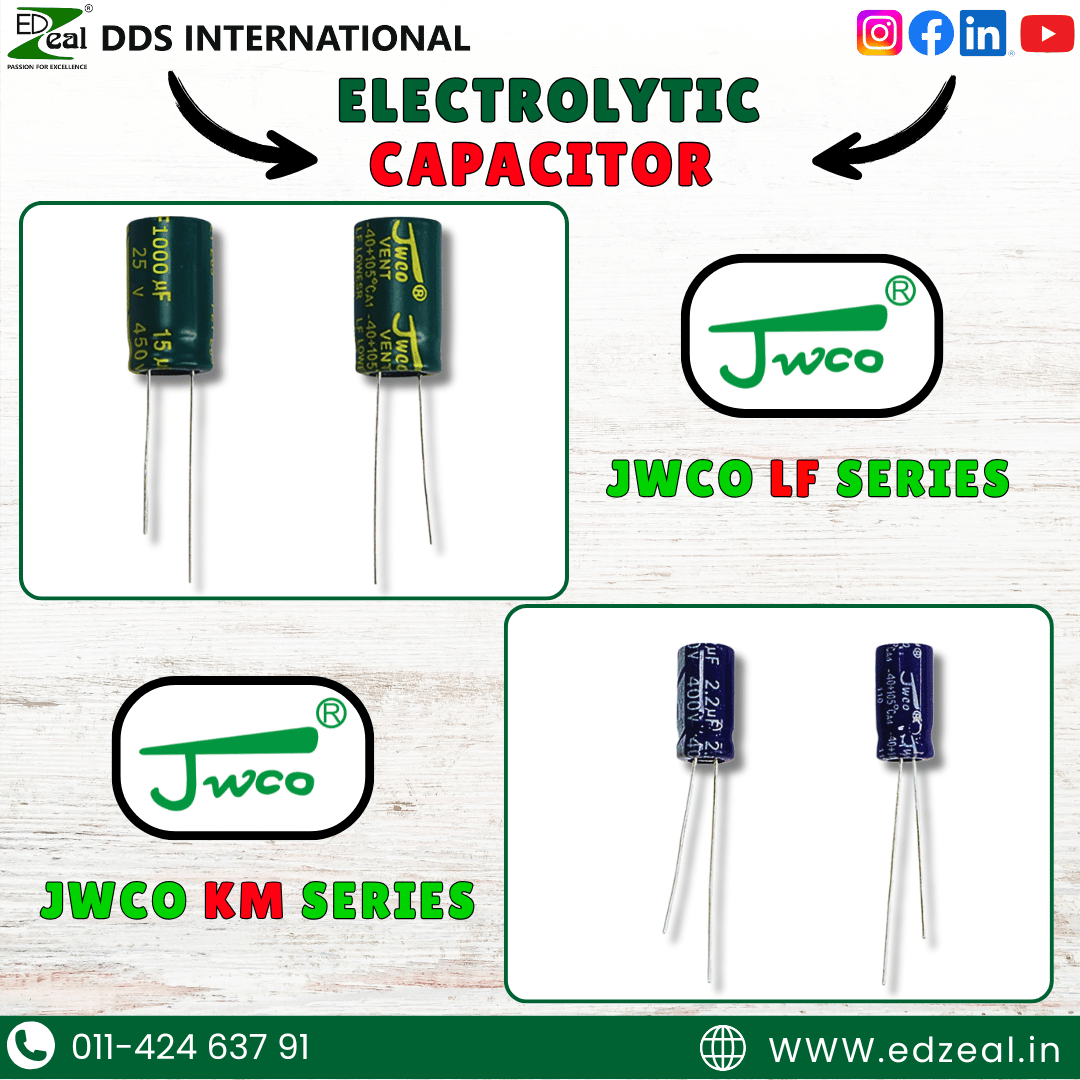
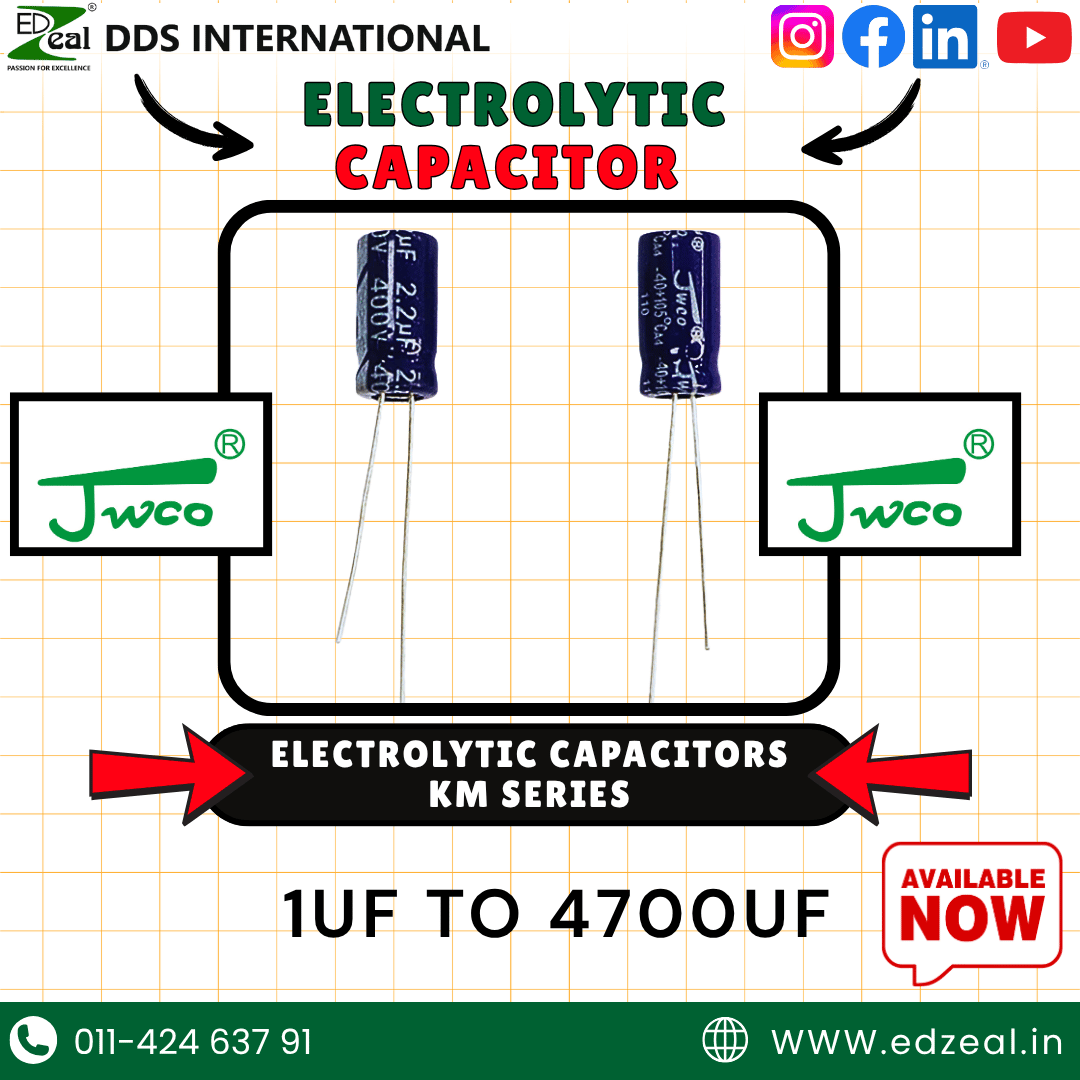
At DDS International – Edzeal, we are an authorised distributor of JWCO Electrolytic Capacitors in India. This guide will help you understand the key differences between Electrolytic Capacitors and Normal Capacitors to make the right component choice for your electronic projects.
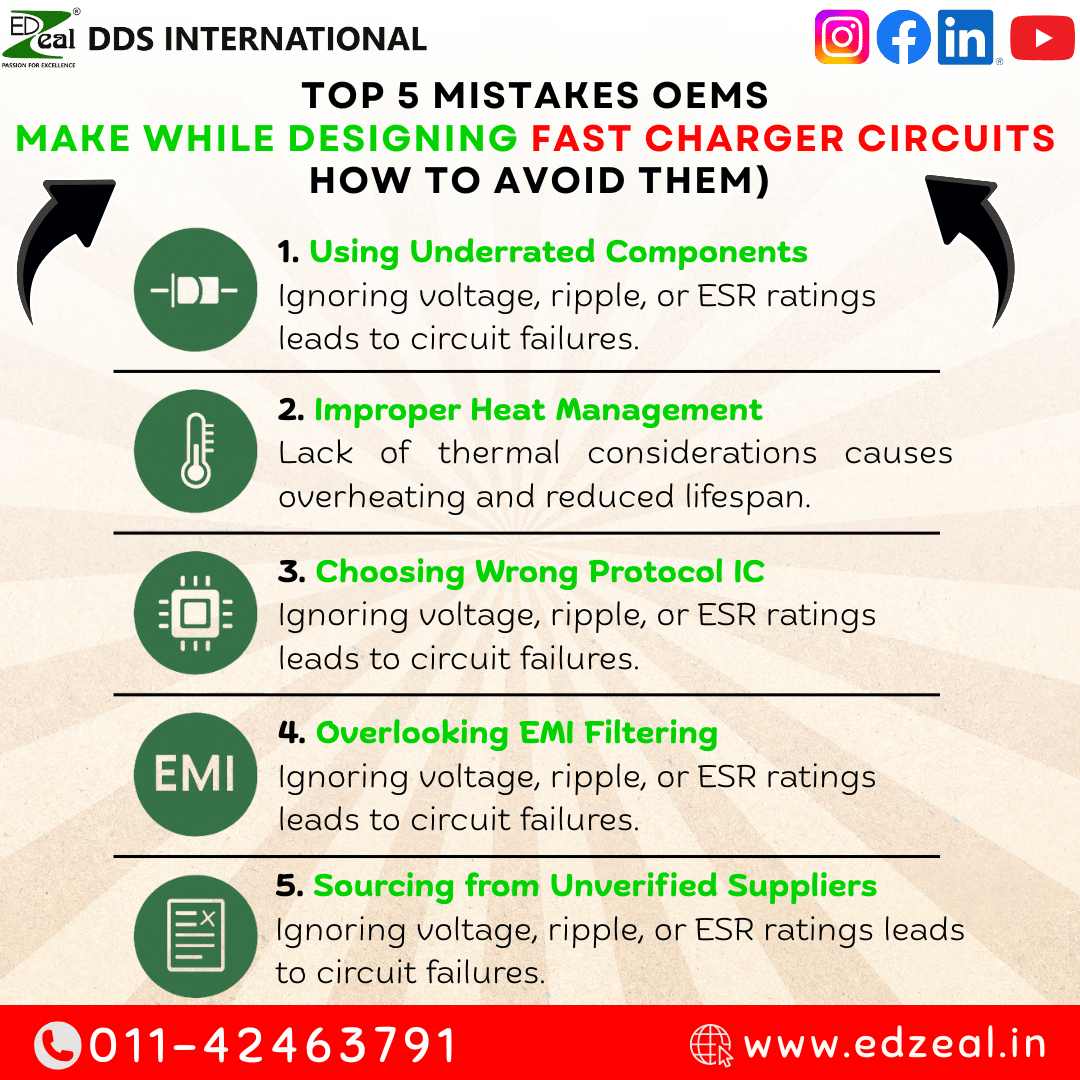
Common Design Errors in Fast Charger Circuits & How OEMs Can Avoid Them
Fast charger circuits are at the heart of modern mobile charging solutions. However, many OEMs face product failures and inefficiencies due to common design mistakes. At DDS International, we help manufacturers build robust and reliable fast chargers by supplying high-quality electronic components for PD and PPS compliant circuits.
1. Using Underrated Components
One of the most frequent mistakes is selecting capacitors, inductors, or ICs with voltage and current ratings too close to the circuit’s operating limits. Always choose components with a safety margin of at least 20-30% higher than the working voltage and ripple requirements.
2. Improper Heat Management
Chargers generate significant heat, especially under fast-charging protocols. Failing to account for heat dissipation in component selection (capacitors, resistors, MOSFETs) can result in early failures. Ensure you source components with higher temperature ratings for stable performance.
Ripple Current in Electrolytic Capacitors – A Crucial Guide for Circuit Designers & OEMs
When designing or repairing electronic circuits, we often focus on capacitance and voltage ratings. But one crucial parameter that gets overlooked is Ripple Current. Ignoring ripple current ratings can lead to overheating, component failure, and reduced lifespan of your entire device.
In this article, we’ll explain what ripple current is, why it’s critical in capacitor selection, and how you can ensure you’re using capacitors that handle ripple effectively. Plus, we’ll guide you on sourcing high-ripple JWCO LF Series capacitors from DDS International – the Authorised Distributor of JWCO in India.
Top Factors to Consider Before Buying Electrolytic Capacitors in Bulk – Trusted by OEMs in India
Electrolytic capacitors are essential in almost every electronic design—from basic LED drivers to high-frequency inverter circuits. But with so many ratings and brands available, how do you pick the right electrolytic capacitor for your specific application?
In this guide, we’ll break down everything OEMs, R&D engineers, and repair technicians need to know about selecting the right capacitor—and where to buy genuine, high-performance JWCO capacitors from an authorised source in India.