In today’s fast-paced electronics industry, a reliable supply chain is no longer optional — it’s a competitive necessity. For OEMs, manufacturers, and industrial buyers, supply chain disruptions can lead to production delays, cost overruns, and loss of customer trust. Building a strong and resilient component supply chain ensures consistent production, quality assurance, and long-term business growth.
How to Reduce Production Costs Without Compromising Component Quality
In today’s competitive manufacturing environment, OEMs face constant pressure to cut costs while maintaining high product reliability. But lowering expenses doesn’t have to mean sacrificing quality. By making strategic decisions in component sourcing, design, and production, it’s possible to achieve both cost efficiency and superior performance.
What is an LED Driver and How Does It Work? | DDS International-Edzeal
LEDs (Light Emitting Diodes) have become the backbone of modern lighting — from home bulbs to industrial fixtures. But to function efficiently, LEDs rely on a crucial component called an LED driver. Whether you’re an engineer, student, or OEM professional, knowing how LED drivers work is essential for designing safe and long-lasting lighting systems.
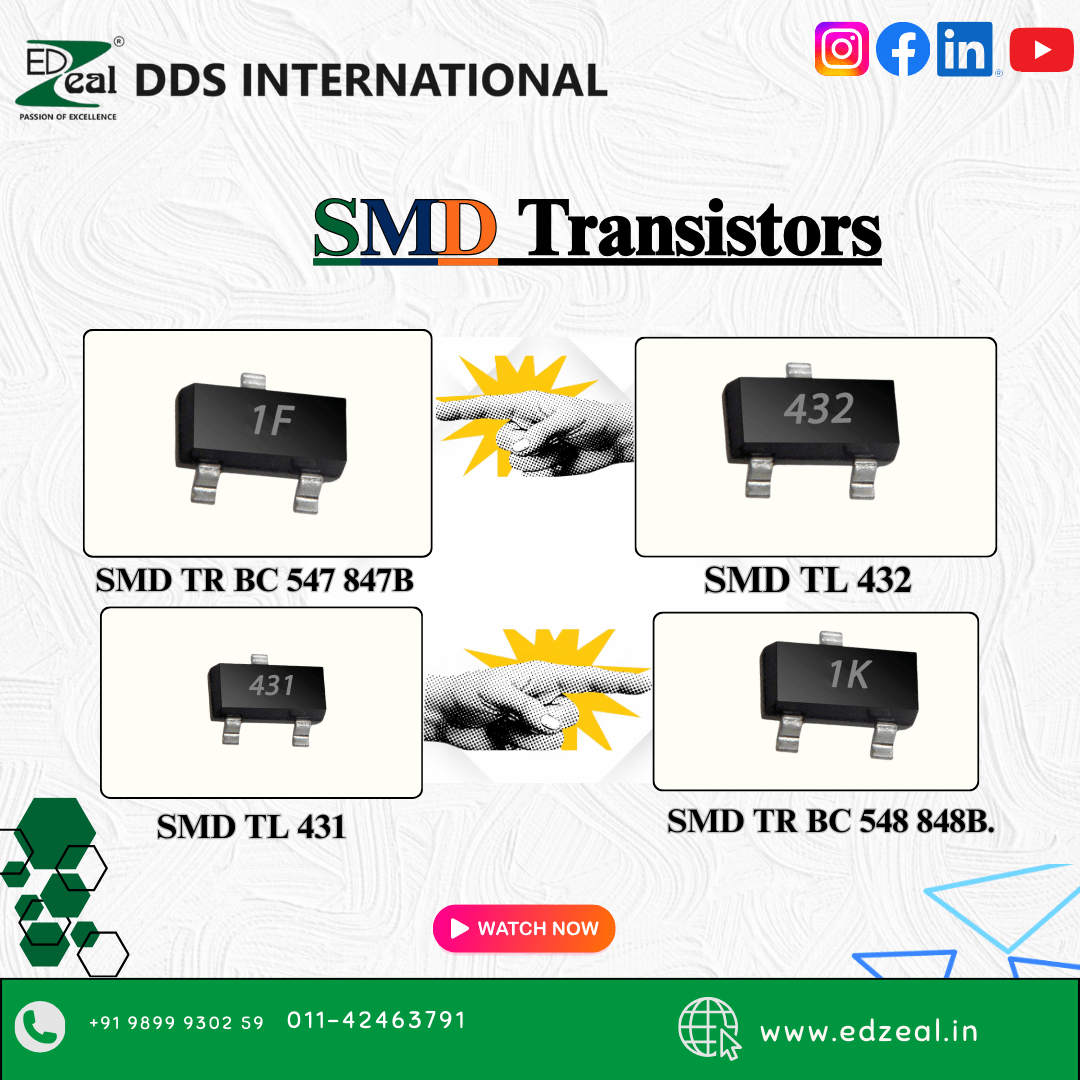
Top Components Every PCB Manufacturer Should Stock | DDS International – Edzeal
Printed Circuit Boards (PCBs) are the heart of every electronic device — from simple toys to advanced industrial machinery. To ensure smooth production and consistent quality, PCB manufacturers must always keep essential components in stock. These components form the foundation of reliable circuit design and efficient manufacturing.
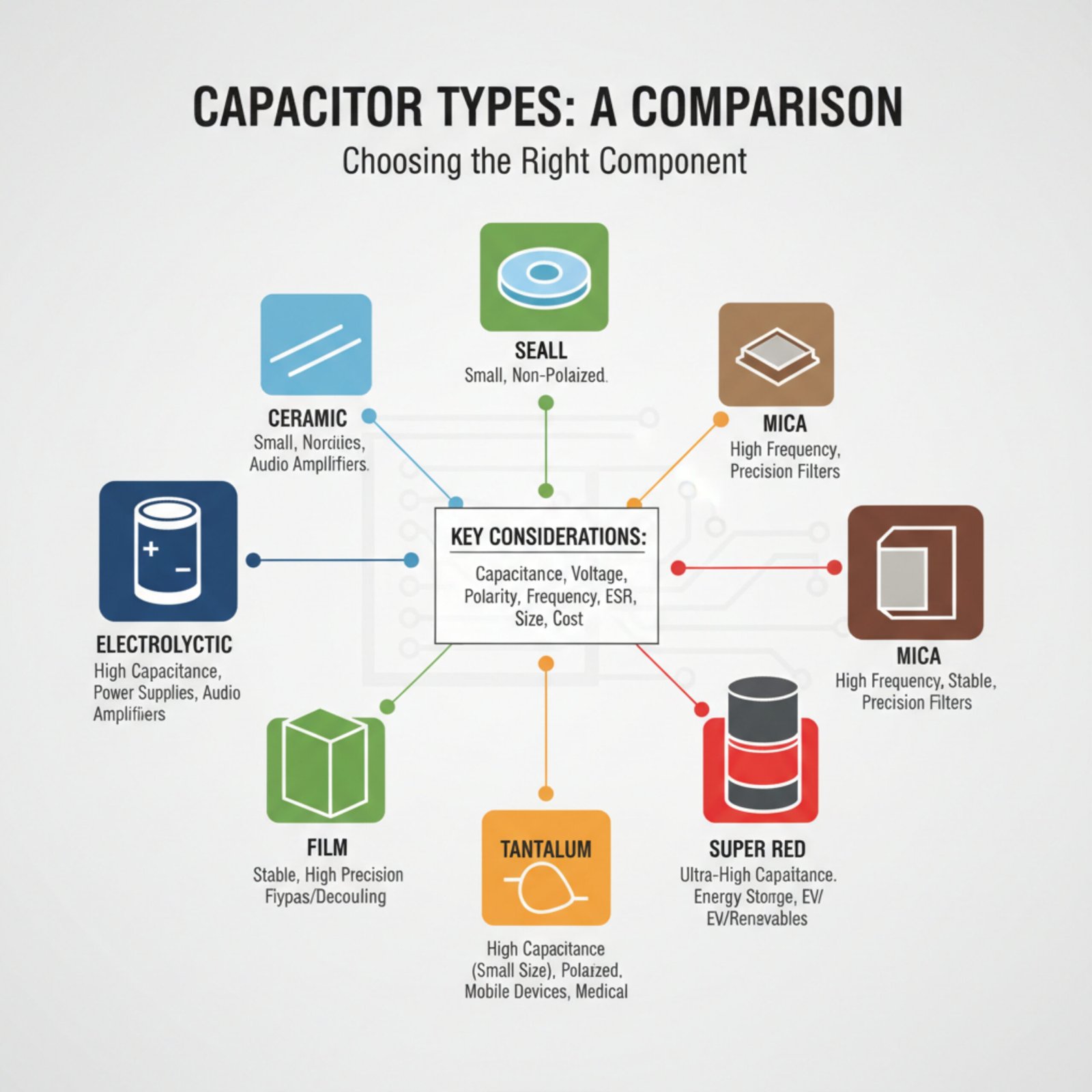
The Role of Capacitors and Resistors in Audio Device Circuits
Every audio device, whether it’s a speaker, amplifier, or mixer, relies on precise electronic components to deliver clear, balanced sound. Among these, capacitors and resistors play a key role in shaping how electrical signals are processed within the circuit. Understanding their function helps engineers design more efficient and high-quality audio systems.
How Bulk Purchasing Electronic Components Improves Manufacturing Efficiency
In the fast-paced world of electronics manufacturing, every second and every rupee counts. For OEMs and production houses, buying electronic components in bulk is not just a cost-saving strategy—it’s a smart way to improve production efficiency, consistency, and profitability.
Whether you manufacture inverters, SMPS, chargers, lighting products, or audio devices, purchasing components in large quantities from a reliable distributor like DDS International can make a huge difference in how smoothly your production runs.
Guide to Identifying Counterfeit Electronic Components in the Market
In today’s fast-moving electronics industry, counterfeit electronic components have become a major concern for manufacturers, OEMs, and engineers. These fake parts not only cause performance failures but can also lead to safety risks and financial losses.
To ensure your circuits perform reliably and your products meet quality standards, it’s essential to know how to identify counterfeit electronic components before they enter your supply chain.
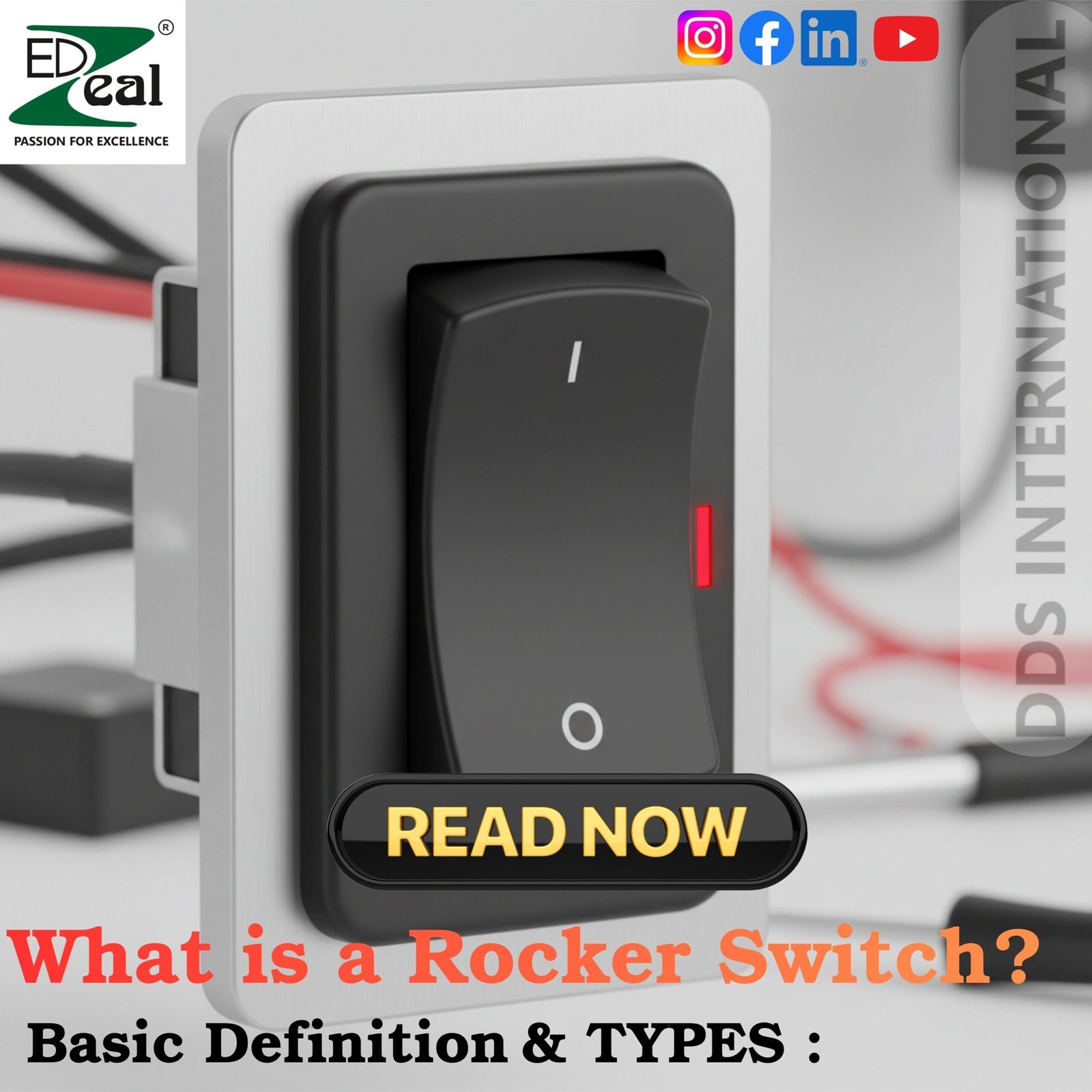
Everything You Need to Know About Switches in Electronics
Switches are one of the most important parts of electronics. From simple household items like lights and fans to big machines in factories, switches help us control electricity easily and safely. Every time you press a button, flip a switch, or turn a knob, you are using a switch to control how electricity flows. In this blog, we’ll understand what switches are, how they work, the different types of switches, and where they are used — all in simple words.
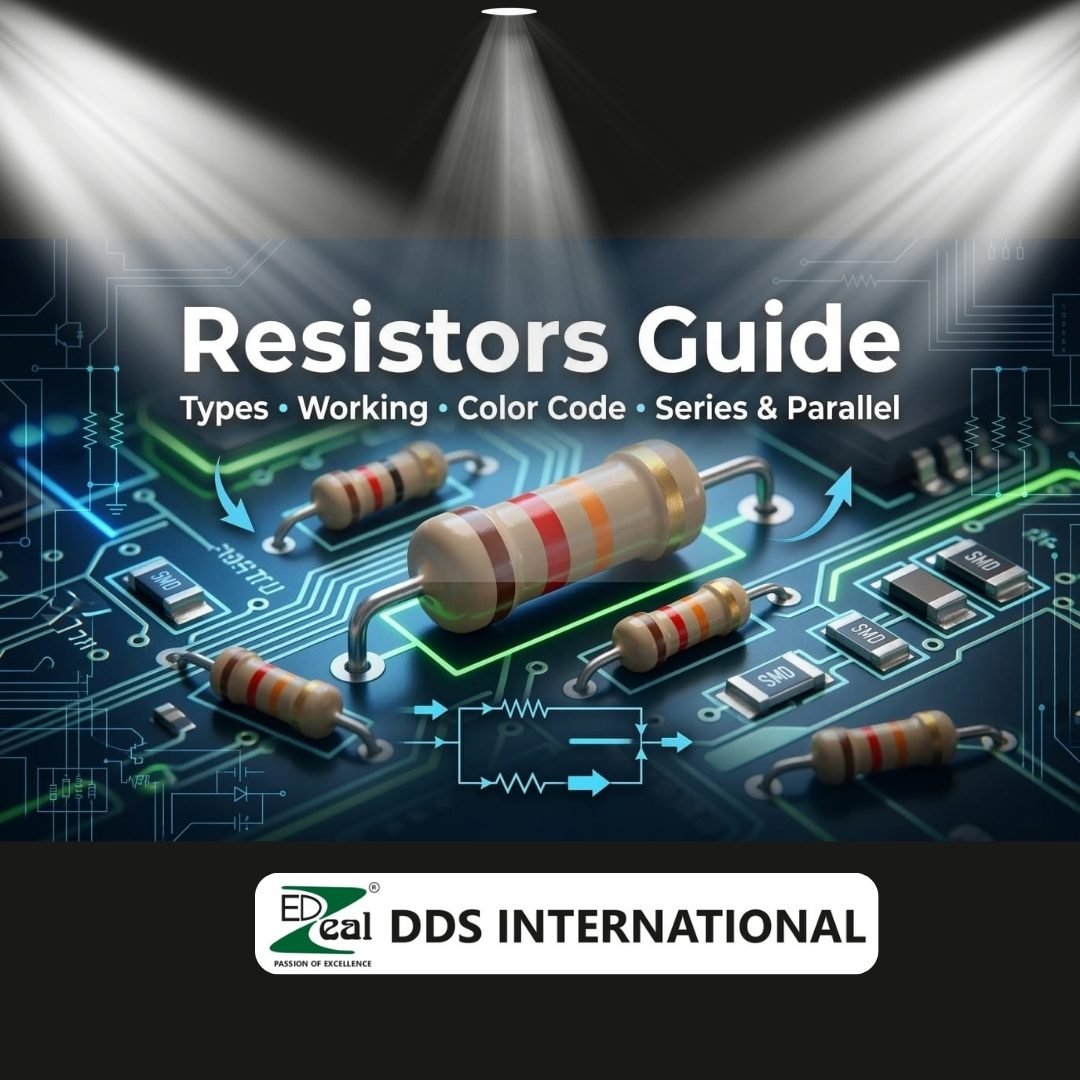
Resistor Color Code Guide: 3-Band, 4-Band, 5-Band & 6-Band Explained
Resistors are one of the most common electronic components, and identifying their values correctly is essential in circuit design, testing, and repair. Since most resistors don’t have printed values, engineers rely on the resistor color code system to determine resistance. In this guide, we’ll cover 3-band, 4-band, 5-band, and 6-band resistor color codes, provide a resistor color code chart, and explain how to read values such as 1k, 10k, 100k, 220 ohm, 470 ohm, and more.
Tips for Reducing Electronic Component Failure in OEM Products
Electronic component failure is a major concern for OEMs, impacting product reliability, warranty costs, and customer satisfaction. Using high-quality components is essential, but implementing best practices in design, sourcing, and testing can further minimize failures. Here’s a complete guide for engineers and OEMs to reduce component failures and improve product longevity.