
Mylar Speakers 40mm Magnet, 29mm & 27mm Magnet – Complete Buying Guide
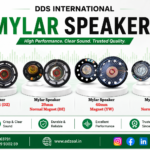
What Are Mylar Speakers?
What Is a Mylar Speaker?
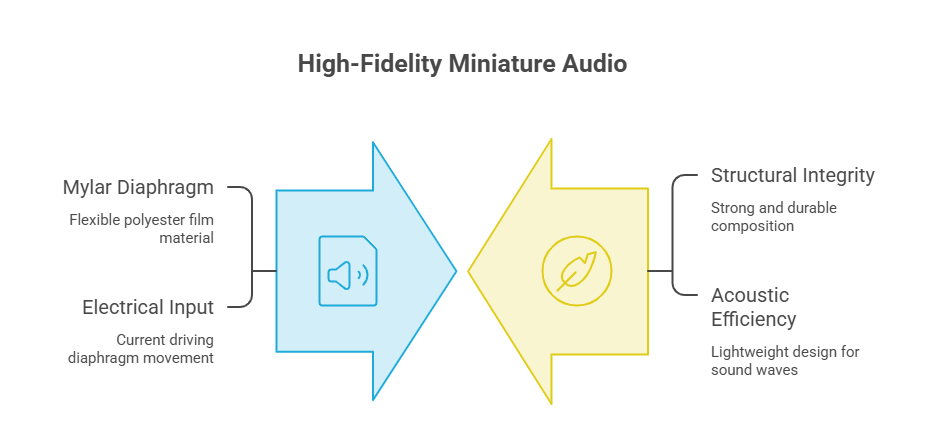
A mylar speaker is a small, lightweight speaker that uses a thin plastic film — called Mylar — as its diaphragm. This film vibrates to produce sound when electricity passes through it.
Think of it like a tiny drum. The Mylar film acts as the drumhead — it moves back and forth to push air and create sound waves.
Mylar is a type of polyester material. It is strong, flexible, and very lightweight — which makes it perfect for small electronic devices.
How does a mylar type speaker work?
- An electrical audio signal flows into the speaker’s voice coil
- The coil sits inside a magnetic field (created by the magnet)
- The signal causes the coil to move — back and forth
- This movement vibrates the Mylar film
- The vibration creates the sound you hear
Why are mylar speakers used in electronic products?
Manufacturers love mylar speakers because they are:
- Very thin and compact — easy to fit inside small devices
- Lightweight — won’t add extra weight to portable gadgets
- Cost-effective — affordable to produce at scale
- Durable — resist moisture and handle daily wear well
Normal cone speakers use paper or plastic cones, which are heavier and more fragile. Mylar speakers are better suited for compact, battery-powered electronics.
The biggest difference? Standard speakers are built for high-volume, room-filling audio. Mylar speakers are designed for close-range, low-power, space-saving applications — like toys, alarms, and handheld gadgets.
Types of Mylar Speakers Available
Mylar Speakers 40mm Magnet
The mylar speakers 40mm magnet variant is the largest size in this product family — and it delivers noticeably better sound than smaller options.
Size & Magnet Strength:
- 40mm refers to the diameter of the speaker cone
- A larger cone means more air movement — which means louder, fuller sound
- The magnet in this size is stronger, giving the voice coil more power to work with
Sound Quality You Can Expect:
- Clearer mid-range audio
- Better bass response compared to 27mm or 29mm variants
- Suitable where audio quality actually matters — not just a beep or alert tone
Best Applications for mylar speaker 40mm:
- Portable radios and audio devices
- Educational toys and learning gadgets
- Smart home devices
- Security alarm panels
- Intercom systems
- DIY electronics projects needing decent audio output
Common Industries Using It: Consumer electronics, toy manufacturing, home automation, and OEM product development.
Mylar Speakers 29mm Normal Magnet
The mylar speakers 29mm normal magnet is a compact, reliable workhorse — great for devices where space is tight but sound is still needed.
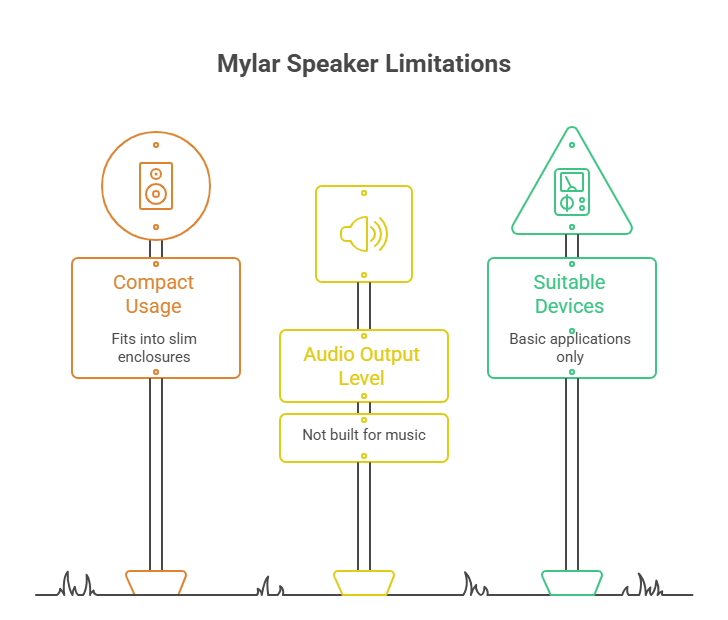
Compact Usage:
This 29mm speaker fits easily into slim enclosures. It’s a popular pick for engineers designing products where the PCB space is limited.
Audio Output Level:
- Produces clear alert tones and basic audio
- Not built for music — but perfect for beeps, voice prompts, and notifications
- The normal magnet gives adequate sensitivity for most basic applications
Suitable Devices:
- Digital thermometers and timers
- Calculators and small meters
- Toys with simple sound effects
- Basic intercom or doorbell circuits
- Entry-level security systems
Cost Advantages:
The 29mm normal magnet version is one of the most affordable mylar speaker options available. For B2B buyers and OEM manufacturers ordering in bulk, this translates to significant cost savings per unit — without sacrificing performance for standard use cases.
Mylar Speakers 29mm Big Magnet
Same 29mm size — but a noticeably stronger magnet. That one change makes a real difference in performance.
Normal Magnet vs Big Magnet — What Changes?
| Feature | Normal Magnet | Big Magnet |
| Sensitivity | Standard | Higher |
| Sound volume | Moderate | Louder |
| Bass response | Basic | Slightly improved |
| Cost | Lower | Slightly higher |
Benefits of the Bigger Magnet:
- Higher sensitivity — the speaker responds better to low-power audio signals
- Louder output from the same 29mm cone size
- Better performance in noisy environments — like factory floors or outdoor devices
- More energy is transferred to the diaphragm, so sound is cleaner and stronger
Use Cases That Need the Stronger Magnet:
- Devices that need louder alerts in noisy surroundings
- Handheld diagnostic tools
- Medical alert devices
- Products running on low voltage where every bit of efficiency matters
If your device needs the compact 29mm size but you can’t compromise on volume or clarity — the big magnet version is the right pick.
Mylar Speakers 27mm Magnet
The mylar speakers 27mm magnet is the smallest option in this lineup — designed for ultra-compact electronics where space is at a premium.
Small-Size Applications:
- Wearable devices
- Miniature toys and key-chain gadgets
- Compact remote controls
- Small medical monitoring devices
- Micro-sized consumer electronics
Why Lightweight Devices Love It:
The 27mm speaker adds almost negligible weight to a product. For wearables or handheld devices where every gram counts, this is a meaningful advantage.
Sound Limitations:
- Lower bass output — this is expected at this size
- Best for simple tones, beeps, alerts, and basic voice output
- Not recommended for applications needing rich audio or music playback
Sound Strengths:
- Clear, crisp high-frequency tones
- Excellent for notification sounds and alert signals
- Works efficiently on low power — ideal for battery-operated devices
Mylar Speaker Size Comparison (27mm vs 29mm vs 40mm)
Which Mylar Speaker Is Best for Your Project?
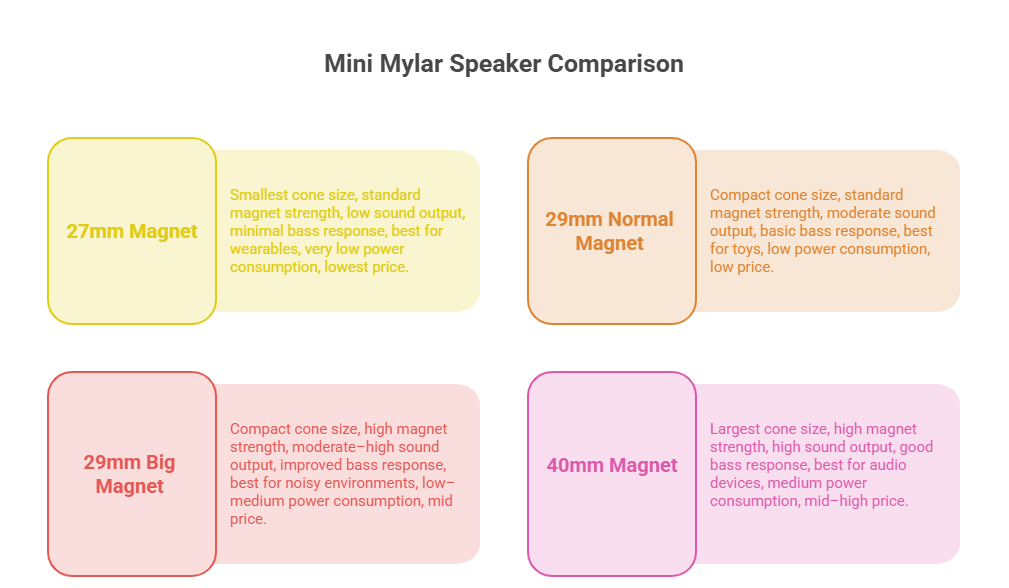
Here’s a quick comparison to help you choose the right mini mylar speaker for your application:
| Feature | 27mm Magnet | 29mm Normal Magnet | 29mm Big Magnet | 40mm Magnet |
| Cone Size | Smallest | Compact | Compact | Largest |
| Magnet Strength | Standard | Standard | High | High |
| Sound Output | Low | Moderate | Moderate–High | High |
| Bass Response | Minimal | Basic | Improved | Good |
| Best For | Wearables, micro gadgets | Toys, meters, alarms | Noisy environments, tools | Audio devices, intercoms |
| Power Consumption | Very low | Low | Low–Medium | Medium |
| Relative Price | Lowest | Low | Mid | Mid–High |
Quick Decision Guide:
- Need the tiniest speaker possible? → Go with 27mm
- Budget-conscious, basic sound needed? → Choose 29mm Normal Magnet
- Need more volume from a compact size? → Pick 29mm Big Magnet
- Sound quality actually matters? → Select 40mm Magnet
For small electronics like toys or calculators, 27mm or 29mm works perfectly. For devices where audio clarity is important — like intercoms or smart home panels — the 40mm is the better investment.
Applications of Mylar Speakers in Electronics
Where Are Mylar Speakers Used?
Mini mylar speakers show up in far more products than most people realize. Here’s where this mylar type speaker is commonly used:
Toys & Educational Products
- Talking toys, learning tablets, interactive books
- Sound-effect modules in children’s games
Security Systems
- Door alarms and motion detectors
- Buzzer alerts in access control panels
- Siren modules for basic security setups
Medical Devices
- Pulse oximeters and glucometers
- Alert systems in patient monitoring equipment
- Hearing aid components (27mm and smaller)
Consumer Electronics
- Portable radios and walkie-talkies
- Digital clocks and timers
- Remote controls with audio feedback
Smart Gadgets & Home Automation
- Smart doorbells
- Voice-prompt modules in smart switches
- IoT alert devices
DIY Electronics
- Arduino and Raspberry Pi projects
- Custom alarm circuits
- Hobbyist audio modules
If you’re building any device that needs a compact, power-efficient sound output — a mylar speaker is almost certainly the right component.
Mylar Electrostatic Speaker vs Standard Mylar Speaker
What Is the Difference?
Both types use Mylar film — but they work in completely different ways.
Standard Mylar Speaker (What We’re Discussing Here):
- Uses a voice coil and magnet to move the diaphragm
- Electromagnetic principle — coil moves in a magnetic field
- Simple, robust, and affordable
- Works on standard audio signals
- Used in the vast majority of electronic products
Mylar Electrostatic Speaker:
- Uses high-voltage electric fields to move the Mylar film directly
- No coil or traditional magnet involved
- Produces extremely detailed, transparent sound
- Requires a special amplifier (energizer) to work
- Much more expensive to produce
Cost Comparison:
| Type | Relative Cost | Complexity |
| Standard Mylar Speaker | Low to Mid | Simple |
| Mylar Electrostatic Speaker | High | Complex |
Which One Do You Need?
- For electronic products, OEM manufacturing, and most practical applications → Standard Mylar Speaker
- For high-end audiophile or specialty acoustic applications → Mylar Electrostatic Speaker
For the vast majority of B2B buyers, engineers, and product manufacturers — the standard mylar speaker covers everything you need at a fraction of the cost.
How to Choose the Right Mylar Speaker
Important Factors Before Buying
Buying the wrong speaker size wastes money and delays your project. Here’s what to check before you order.
Speaker Size
- Match the speaker size to your enclosure space
- Measure the cavity where the speaker will sit — don’t guess
- 27mm for very tight spaces, 40mm when you have room and need better audio
Magnet Strength
- Standard magnet = adequate for basic audio needs
- Big/strong magnet = better sensitivity, louder output, better performance at low voltages
- If your device runs on 3V or 5V, a stronger magnet improves efficiency
Sound Output
- Define what “good enough” means for your product
- Alert tone or beep? Any size works
- Voice output or music? Go 40mm minimum
- High-noise environment? Choose big magnet variants
Device Compatibility
- Check the speaker’s impedance (usually 8Ω or 32Ω)
- Match it to your amplifier or audio IC’s output requirements
- Mismatched impedance = distorted sound or damaged components
Price & Bulk Purchase
- My speaker price changes significantly with order quantity
- Always request bulk pricing if you’re ordering 100+ units
- OEM and B2B buyers should ask for tiered pricing — the per-unit cost drops considerably at higher volumes
- Compare quality across suppliers — the cheapest isn’t always the best value long-term
Mylar Speaker Price Guide
Factors Affecting Price
Understanding what drives my speaker price helps you make smarter purchasing decisions — especially for bulk or OEM orders.
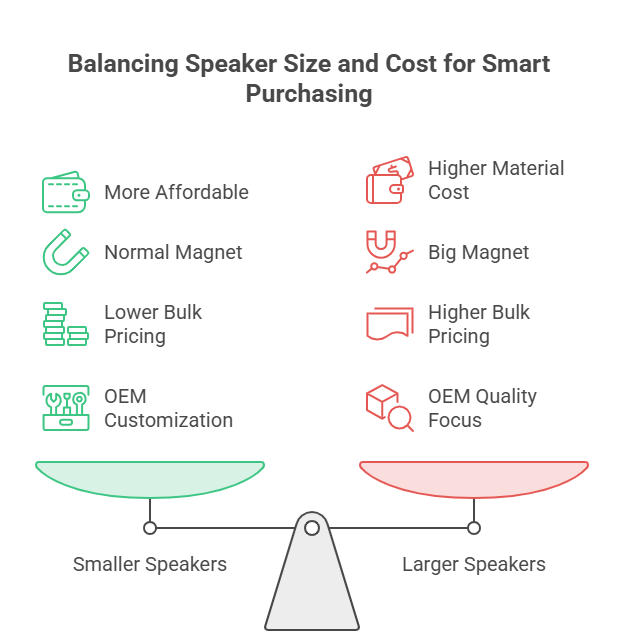
1. Size Impact on Cost
- Larger speakers (40mm) use more material → slightly higher cost per unit
- Smaller sizes (27mm, 29mm) are more affordable for high-volume orders
- Price difference between sizes is usually not dramatic — but adds up in bulk
2. Magnet Type
- Normal magnet versions cost less
- Big magnet versions carry a small premium
- For applications needing higher sensitivity, the big magnet variant offers better value over time
3. Bulk Quantity Pricing
- Prices drop significantly with volume
- Typical pricing tiers: 1–10 units / 50–100 units / 500+ units
- The 500+ unit pricing is where real savings happen for manufacturers
4. OEM & Wholesale Considerations
- OEM buyers often get customization options (impedance, wire length, connector type) at bulk pricing
- Consistent quality across batches matters more than the lowest unit price
- Always ask for a sample batch before placing large orders — test performance in your actual device
Why Choose High-Quality Mylar Speakers for Electronics Projects?
Cutting corners on speakers is one of the most common mistakes in product development. Here’s why quality matters:
Durability High-quality mylar speakers handle vibration, humidity, and temperature changes better. They last longer in real-world conditions — reducing warranty claims and replacements.
Better Sound Clarity A quality speaker reproduces audio signals accurately. Cheap alternatives often produce distorted, tinny sound that hurts the product experience.
Low Power Consumption Good mylar speakers work efficiently on low voltages. This is critical for battery-operated products — where every milliamp of current matters for battery life.
Long-Term Reliability Consistent performance over thousands of hours of use. For products in medical, security, or industrial categories — reliability isn’t optional.
Buy Mylar Speakers Online in India
Available Mylar Speaker Models
Edzeal offers a reliable range of mylar speakers for B2B buyers, OEM manufacturers, electronics engineers, and hobbyists across India.
Available Models:
- Mylar Speakers 40mm Magnet — Best for audio-quality applications, intercoms, smart devices
- Mylar Speakers 29mm Normal Magnet — Affordable, compact, ideal for toys and basic electronics
- Mylar Speakers 29mm Big Magnet — Higher sensitivity, louder output, great for demanding applications
- Mylar Speakers 27mm Magnet — Ultra-compact, lightweight, perfect for wearables and micro-devices
FAQs for Mylar Speakers
Q1. Which Mylar speaker should I choose for my project?
It depends on your application. If space is limited, go for the 27mm model. For general-purpose electronics, the 29mm speaker is a great choice. If you need louder and clearer audio, the 40mm magnet speaker is recommended.
Q2. Will a bigger Mylar speaker produce better sound?
Yes. Larger speakers, such as the 40mm version, can move more air, resulting in louder sound, better clarity, and improved bass response compared to smaller speakers.
Q3. What’s the difference between a normal magnet and a big magnet speaker?
A big magnet speaker delivers higher sensitivity and louder sound output. It can perform better in noisy environments and often provides clearer audio at lower power levels.
Q4. Can I use a Mylar speaker for music playback?
Yes, but it depends on the speaker size. The 40mm Mylar speaker is better suited for voice and basic music playback, while smaller models are mainly designed for alerts, notifications, and simple sounds.
To Learn More About Mylar Speakers Visit Wikipedia
What to read next
-

By EDZEAL | May 30, 2026
Zener Diode vs Normal Diode: Which One is Better for Electronics?
When you build an electronic circuit, every component matters. Choosing the wrong diode can damage your circuit or make it stop working altogether. Two diodes often cause confusion — the
-

By EDZEAL | May 18, 2026
What is a Glass Fuse Small & Fuse Holder? Types, Uses, Sizes & Buying Guide
What is a Glass Fuse Small? A small glass fuse is a tiny safety device used in electronic circuits. It protects your device from too much current flowing through it.
-

By EDZEAL | May 9, 2026
Potentiometer Explained: Uses, Types, Cost & Buying Guide for OEM Buyers
You have turned a volume knob. You have adjusted a fan speed. You have dimmed a light in your room. Every single time you did that — a potentiometer was